
When parents hear that their child may need an orthodontic expander, one of the first questions they often ask is: “Will it be removable or fixed?”
The answer depends on your child’s growth, bite, airway, oral habits, age, and how much expansion is actually needed. At Stellar Orthodontics in Gilbert, AZ, Dr. Stella takes a comprehensive approach to early orthodontic care by evaluating not only the teeth, but also jaw development, airway, breathing patterns, and long-term stability. The goal is not simply to “make room for teeth,” but to guide growth in a way that supports a healthier smile, better bite function, and, in some cases, improved nasal breathing.
Why Do Kids Need Expanders?
An expander may be recommended when a child’s upper jaw or dental arches are too narrow. A narrow arch can contribute to crowding, crossbites, impacted teeth, poor bite alignment, and limited space for the tongue. You can read more about these and other common orthodontic problems we evaluate for, as well as the broader benefits of palatal expansion. In some children, narrow arches may also be connected to mouth breathing, snoring, restless sleep, or other airway-related concerns.
During growth, orthodontists have a unique opportunity to guide jaw development while the bones are still more adaptable. That is why early orthodontic evaluations are so important. Not every child needs treatment right away, but early screening helps determine whether monitoring or early intervention would be best.
What Is a Fixed Expander?
A fixed expander is an appliance that is attached to the teeth, usually with bands or custom attachments. It stays in the mouth full-time and is typically used to widen the upper jaw. Because it is not removed by the child, it works consistently and does not rely as much on patient cooperation.
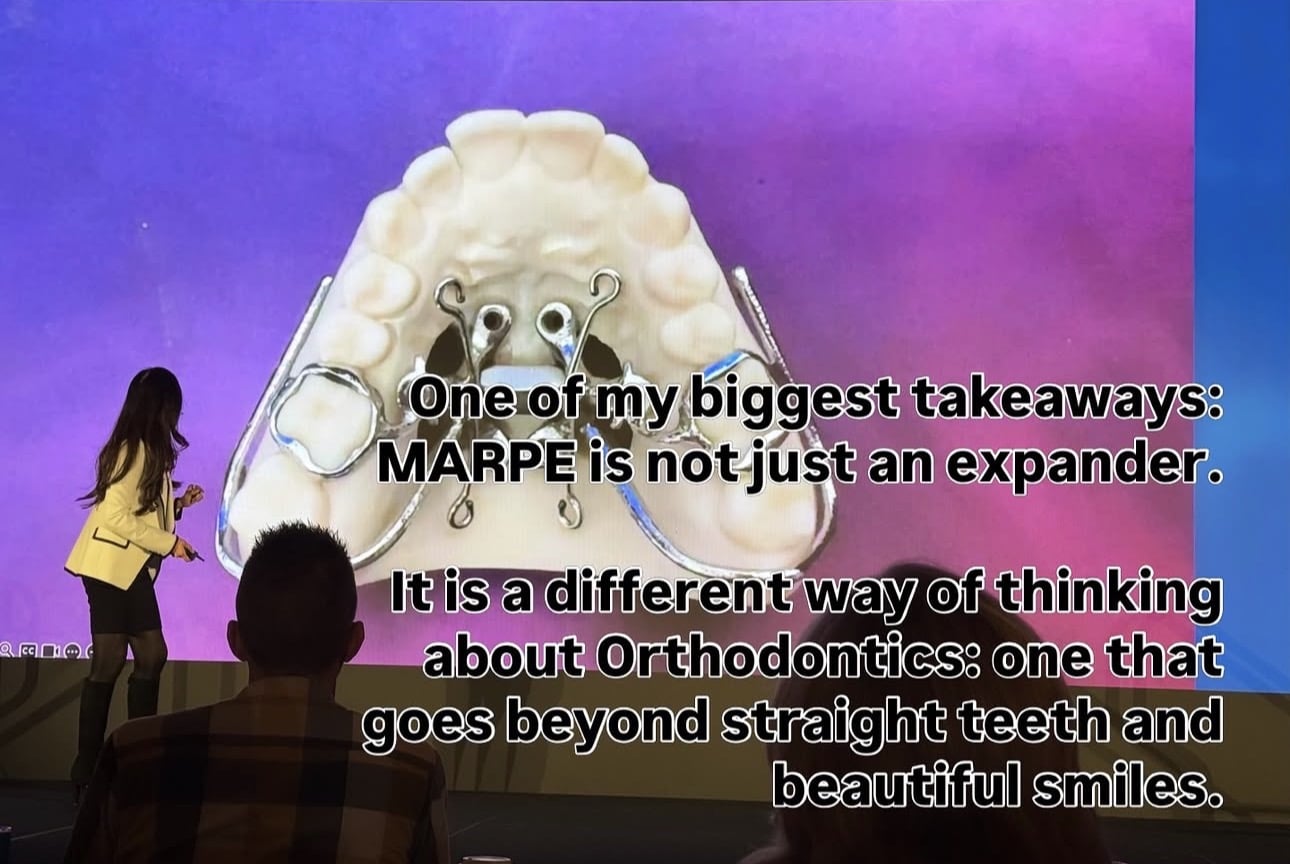
Two of the most common fixed expanders are the Hyrax expander, which uses a small screw anchored to the back teeth to create steady widening, and the quad helix, which uses gentle spring wires to guide the arch. Dr. Stella will recommend the appliance design that best fits your child’s bite and treatment goals.
Pros of a Fixed Expander
A fixed expander is often the most predictable option when true upper jaw expansion is needed. Since the appliance stays in place, it is working all the time. This can be especially helpful for children who may forget to wear a removable appliance, or cases where Dr. Stella wants more controlled and consistent expansion.
Fixed expanders are commonly used when a child has a posterior crossbite, a very narrow upper jaw, significant crowding, or airway-related concerns where widening the upper jaw may help create more space in the nasal airway and mouth.
Another benefit is that parents do not have to worry about the appliance being lost at school, accidentally thrown away at lunch, or left out overnight.
Cons of a Fixed Expander
Because it is attached to the teeth, a fixed expander can take a little time to get used to. Some children may notice extra saliva, temporary speech changes, or mild pressure when the appliance is first placed. Food can also get caught around the appliance, so brushing and rinsing well are important. Most children adapt quickly, but it is normal for there to be a short adjustment period.
What Is a Removable Expander?
A removable expander is an appliance that can be taken in and out. It may be used in certain mild to moderate cases to guide dental arch development, create space, or support early bite correction. Some removable expanders are worn full-time except for eating and brushing, while others may have a different wear schedule depending on the treatment plan.
Removable expanders can work especially well for very young children, particularly those under age 5, because their bones are still highly malleable and the mid-palatal suture is more patent, or open. At this stage of growth, lighter and more gentle expansion may be effective because the upper jaw has not yet become as resistant to movement. This makes removable expanders a helpful option in select early-intervention cases when the goal is to gently guide growth.
Pros of a Removable Expander
The biggest advantage of a removable expander is flexibility. It can be taken out for brushing, flossing, and meals, which can make hygiene easier for some children. For kids who are sensitive to appliances or who need a more gradual introduction to orthodontic treatment, a removable option may feel less overwhelming.
Removable expanders can also be a great fit for certain mild cases, especially when the goal is gentle dental arch development or early growth guidance rather than significant skeletal expansion. They may be used when a child has mild crowding, mild arch narrowing, early signs of a developing crossbite, or when Dr. Stella wants to guide development while still keeping the appliance easy to clean.
For children under 5, removable expanders may be especially beneficial when appropriate, because their growth stage allows for a more gentle approach. Since the bone is still adaptable and the mid-palatal suture is more open, these appliances can help guide the developing jaw before more significant correction is needed later.
Cons of a Removable Expander
The main downside is that removable expanders only work when they are worn as instructed. If the appliance is left out too often, treatment may take longer, results may be less predictable, or the appliance may stop fitting properly.
Removable appliances can also be misplaced, damaged, wrapped in a napkin and accidentally thrown away, or forgotten during sleepovers, school, or sports. For children who struggle with consistency, a removable expander may not be the most reliable choice.
Another limitation is that removable expanders may not be strong enough for every case. If a child has a more significant crossbite, severe narrowing of the palate, major crowding, or needs more controlled skeletal expansion, a fixed expander may provide a more predictable result.
Which Expander Is Better?
There is no one-size-fits-all answer. The “better” expander is the one that best matches your child’s diagnosis, growth pattern, and ability to follow instructions.
A fixed expander is often better for children who need more significant upper jaw expansion, have a crossbite, have a narrow palate affecting bite function, show airway-related concerns, or may not reliably wear a removable appliance.
A removable expander may be better for younger children, especially those under age 5, children with milder arch concerns, children who are responsible with appliance wear, or cases where the goal is gentle early growth guidance rather than broader skeletal correction. For older children and teens who need a more comprehensive plan, this often connects to our adolescent treatment options.
A Simple Way to Think About It
Fixed expanders are usually best when the treatment needs to be consistent, controlled, and predictable.
Removable expanders are usually best when the child is very young, the bones are still highly adaptable, the case is mild enough for a flexible appliance, and the child can wear it exactly as directed.
For many families, the decision is not about which appliance sounds easier. It is about which appliance will give the child the best, most stable result.
What About Cost?
The cost of a palatal expander varies based on the type of appliance, how much expansion is needed, and each child’s treatment plan. Every family’s needs and budget are different, which is why Dr. Stella recommends a personalized evaluation before discussing pricing, and our team is happy to walk you through available financing options.
How Stellar Orthodontics Decides
At Stellar Orthodontics, expander recommendations are personalized. Dr. Stella evaluates your child’s teeth, bite, jaw growth, airway, breathing patterns, habits, and overall development before recommending treatment. Airway-related findings are considered alongside our airway orthodontics approach when relevant.
Advanced technology, including digital scanning and 3D imaging when needed, helps the team better understand your child’s anatomy and create a treatment plan that is precise, comfortable, and customized. You can learn more about the tools we use on our advanced technology page.
If treatment is not needed right away, your child may simply be monitored as they grow. If an expander is recommended, the team will walk you through which type is best, how it works, what to expect, and how to help your child succeed.
Final Thoughts
Both removable and fixed expanders can be wonderful tools in early orthodontic care. The right choice depends on your child’s needs.
For some very young children, especially those under age 5, a removable expander may be a gentle and effective way to guide growth while the bones are still malleable and the mid-palatal suture is more open. For older children or children with more significant skeletal narrowing, crossbites, crowding, or airway-related concerns, a fixed expander, such as a Hyrax or quad helix appliance, may provide the consistency and control needed to achieve a more predictable result.
If you are noticing crowding, a narrow smile, mouth breathing, snoring, restless sleep, or bite concerns, an early orthodontic evaluation can help you understand what is happening and whether an expander may be beneficial.
At Stellar Orthodontics in Gilbert, AZ, our goal is to help children grow into healthy, confident smiles with treatment that is thoughtful, personalized, and designed for long-term function.