

Wondering whether your child needs braces now or can wait? At Stellar Orthodontics in Gilbert, AZ, Dr. Stella evaluates developing teeth, the bite, and jaw growth to recommend the right timing for care. Early orthodontic treatment, also called interceptive orthodontics or Phase 1 treatment, addresses selected problems while some baby teeth are still present.
The American Association of Orthodontists recommends a first orthodontic check-up no later than age seven, or sooner when a concern is noticed. An evaluation does not mean your child needs treatment immediately.
What Is Early Orthodontic Care?
Early care begins with an assessment of growth, tooth eruption, and how the teeth fit together. There are several possible next steps:
- Growth monitoring: If treatment is not needed now, periodic check-ups let Dr. Stella follow development and reassess timing.
- Phase 1 treatment: Selected problems, such as a crossbite, limited space for erupting teeth, or a jaw-growth concern, may benefit from treatment while a child is growing. An appliance or limited braces may be recommended for a specific goal.
- Comprehensive treatment: Braces or aligners may be considered later, when more permanent teeth have erupted. Some children need only this single phase.
Phase 1 does not guarantee that later braces will be unnecessary. When two phases are recommended, ask what each phase is intended to accomplish. Our teen orthodontic treatment page explains later treatment options.

What Are Common Signs of Airway or Developmental Concerns?
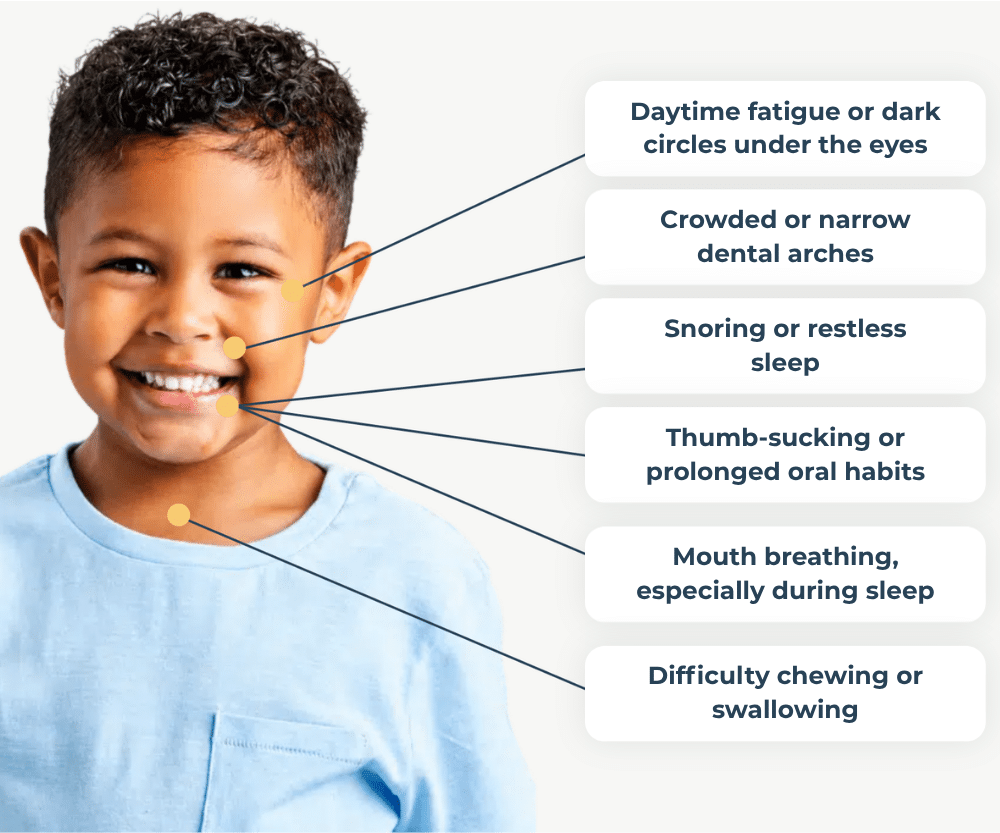
Some children may benefit from an early orthodontic evaluation if you notice:
Crowded or narrow dental arches
Daytime fatigue or dark circles under the eyes
Thumb-sucking or prolonged oral habits
Snoring or restless sleep
Difficulty chewing or swallowing
Mouth breathing, especially during sleep

Why Is Airway Screening Important for Children?
Airway screening allows Dr. Stella to evaluate how your child is breathing and developing, not just how their teeth are aligned. This helps to:
- Identify airway or breathing concerns early
- Evaluate jaw growth and facial development
- Detect narrow arches that may affect airflow
- Determine whether early treatment may be beneficial
Snoring, mouth breathing, restless sleep, or fatigue can have several causes. These signs alone do not diagnose an airway disorder or establish a need for an expander. Discuss persistent concerns with your child’s pediatrician; medical or sleep evaluation may be needed alongside orthodontic assessment. Learn more about pediatric sleep-disordered breathing.
Why Is Early Orthodontic Intervention Important?
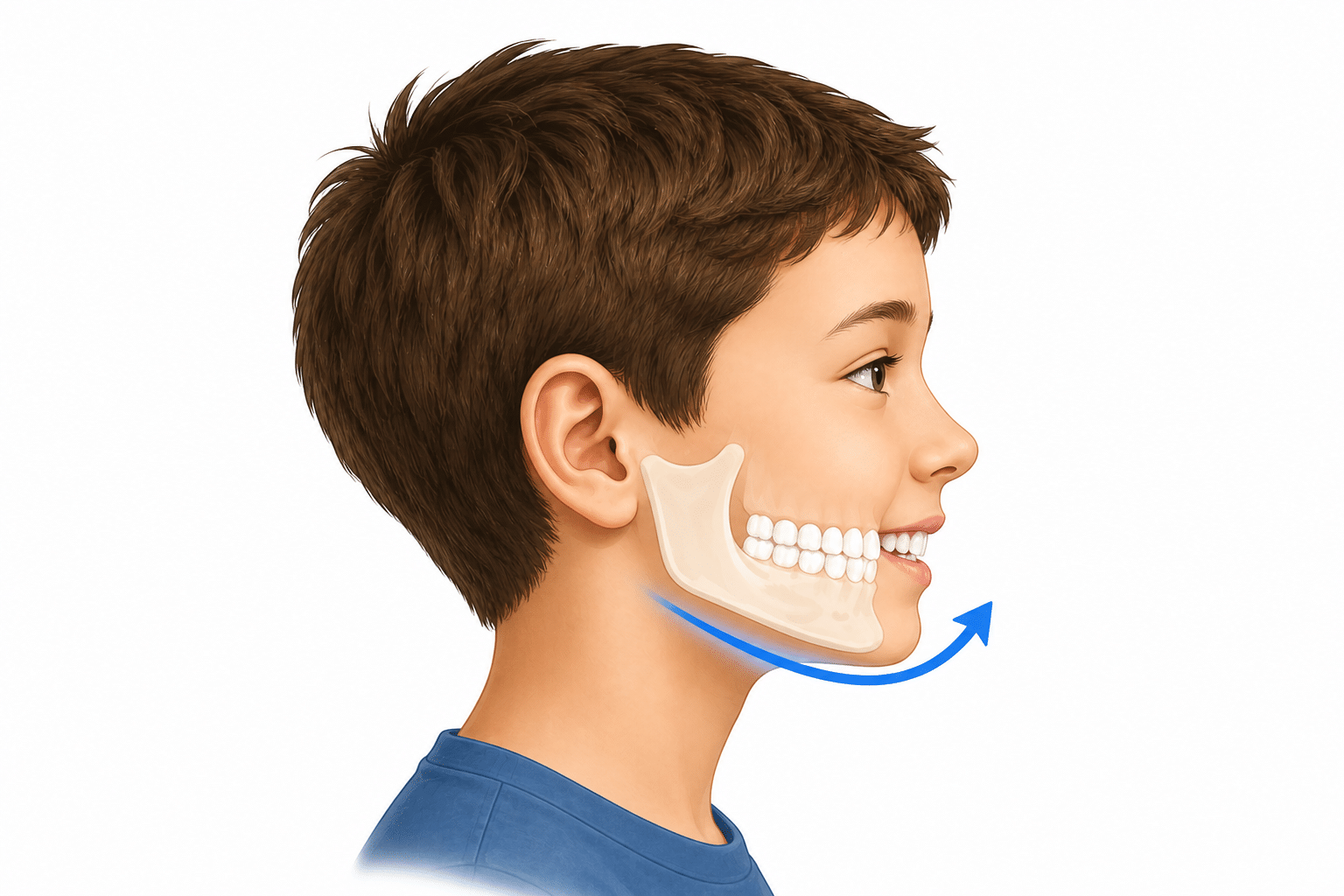
Support proper jaw development
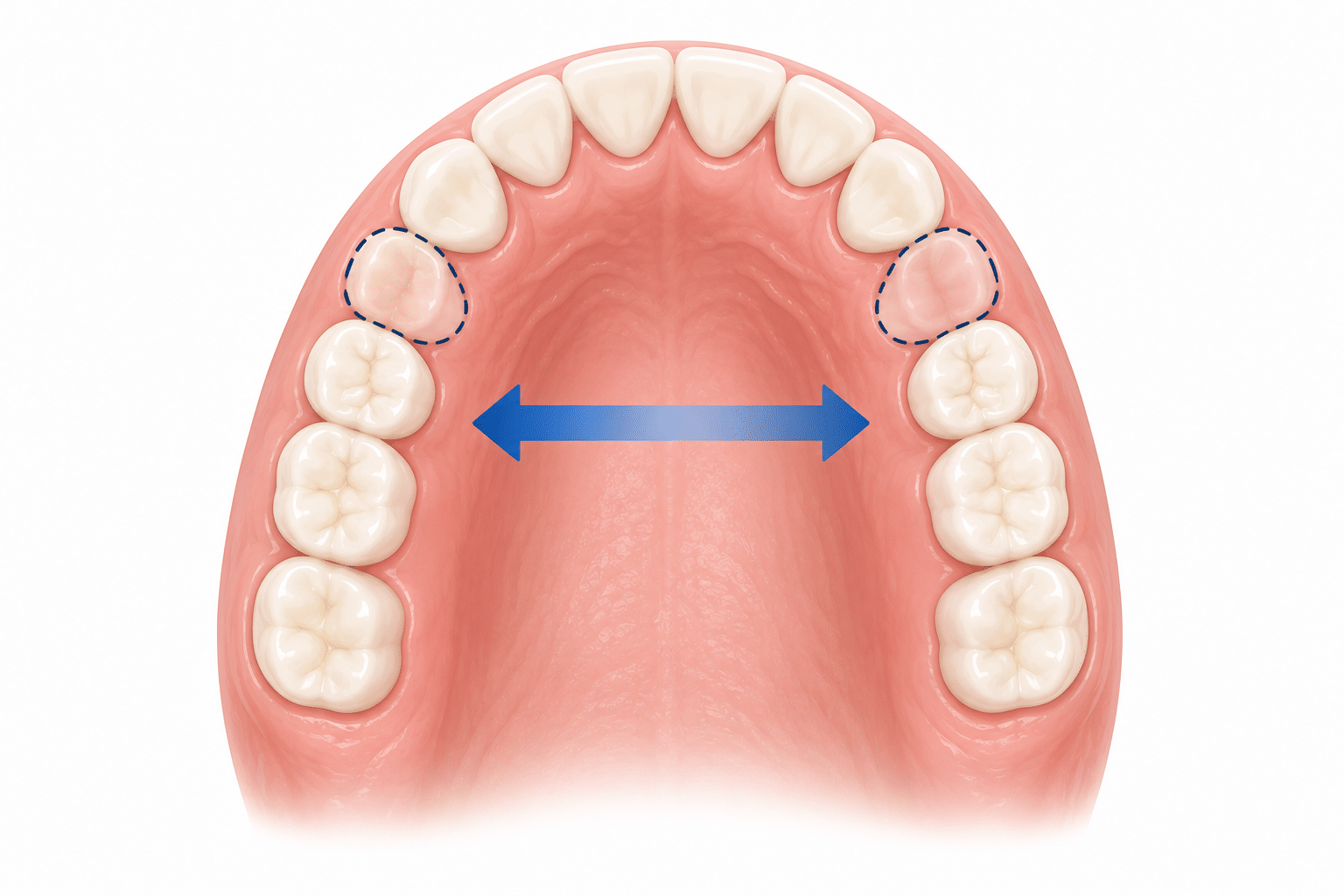
Create space for permanent teeth
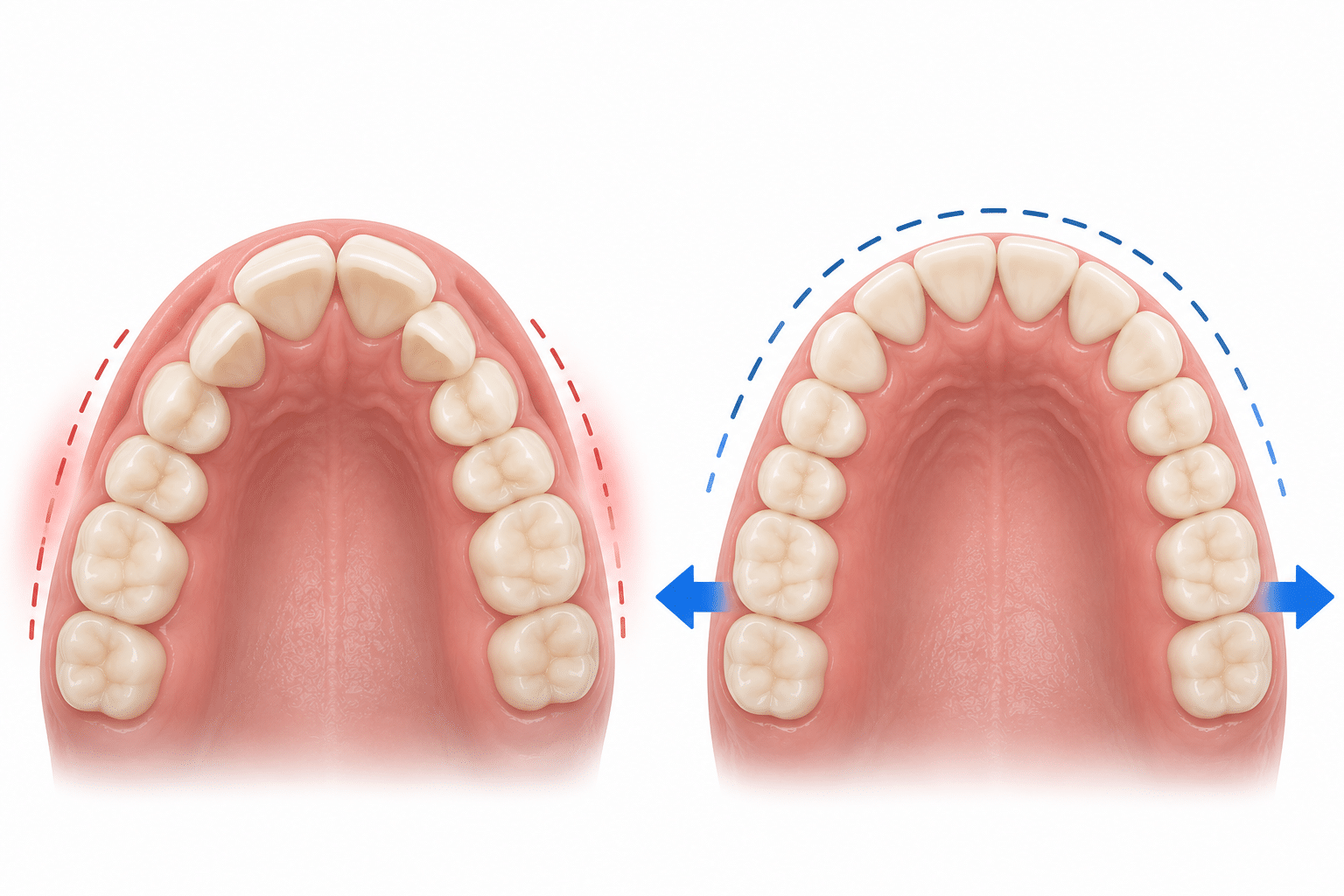
Reduce the risk of crowding or extractions
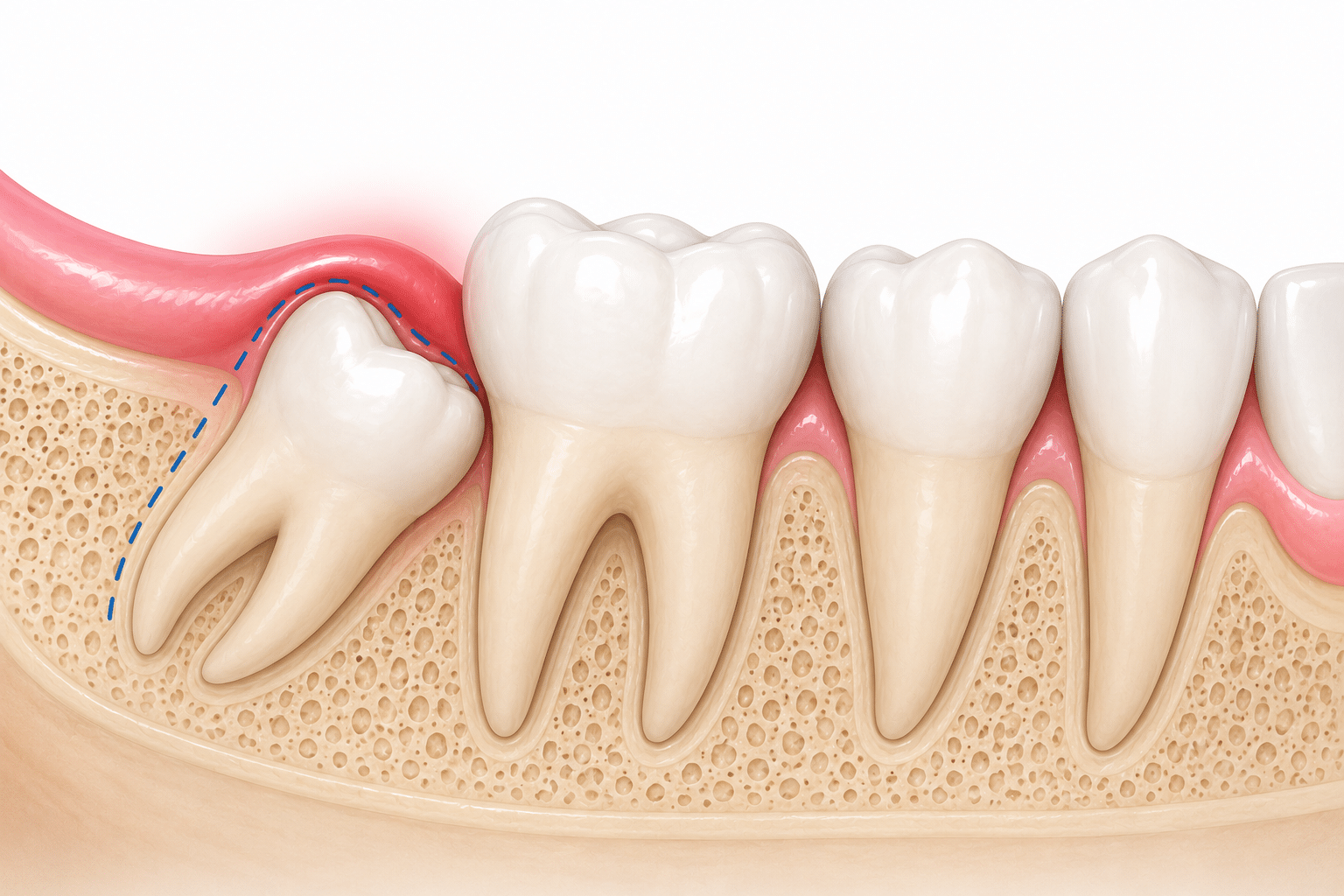
Help prevent impacted teeth
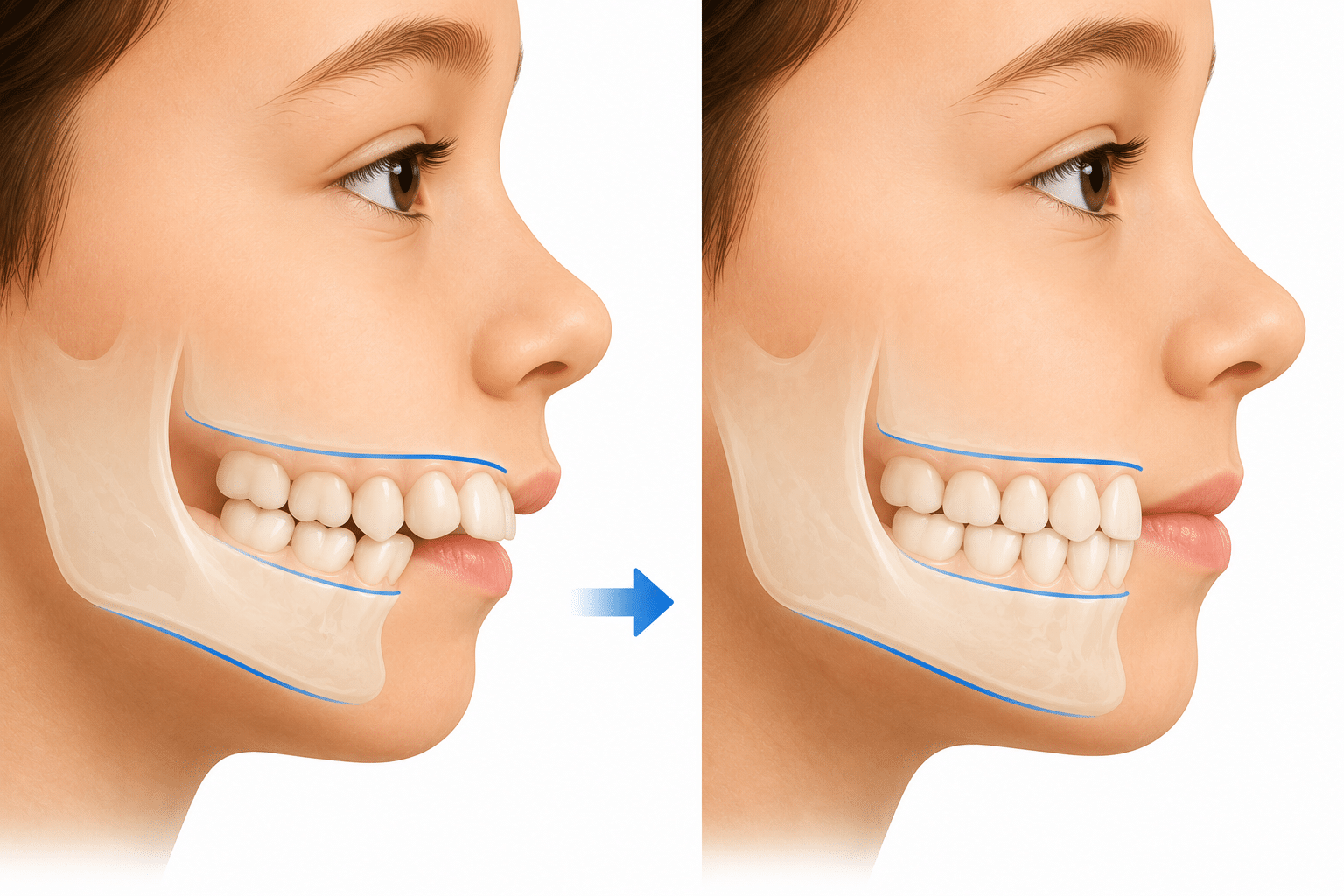
Improve bite alignment and function
Early intervention can address selected growth and bite concerns at a useful stage of development. The benefits depend on the problem being treated; it does not guarantee shorter treatment, avoidance of extractions, or elimination of future braces.
Why Is Nasal Breathing So Important?
Nasal breathing plays a key role in your child’s overall development. It helps support proper jaw growth, improves oxygen intake, and encourages healthy tongue posture. When children rely on mouth breathing, it can affect facial development and contribute to airway and orthodontic concerns over time.
How Do Expanders Help Support Breathing and Development?
- Increase space in the nasal airway
- Support improved nasal breathing
- Create room for permanent teeth
- Improve overall bite alignment
Will Every Child Need Early Orthodontic Treatment?
No. Dr. Stella recommends care based on your child’s development and the problem being assessed. Monitoring may be the most appropriate next step. If treatment is recommended, ask why it is helpful now, what it can achieve, and what may still need attention later.
What Happens at My Child’s First Orthodontic Visit?
We discuss your concerns and your child’s medical and dental history, examine the teeth and bite, and consider growth and eruption. Records may be recommended when needed. You will have an opportunity to ask about treatment choices, timing, and follow-up. Read more about the first orthodontic visit.
How Much Does Phase 1 Orthodontic Treatment Cost?
Fees depend on the appliance, treatment goals, and care required. Ask for a written estimate explaining what is included and whether any later Phase 2 treatment would be a separate fee. Insurance benefits and limits vary by plan. Review our orthodontic financing information and discuss your benefits with the team before starting.
Frequently Asked Questions
Have questions about early orthodontic care? These answers can help you feel confident about your child’s treatment plan.
How Do I Know If My Child Needs Early Orthodontic Treatment?
Signs may include crowding, early or late loss of baby teeth, difficulty chewing, or noticeable bite issues. Dr. Stella can evaluate your child and determine if treatment is needed.
Are Early Orthodontic Visits Painful for Children?
No. Early evaluations are gentle and comfortable. If treatment is recommended, appliances are designed to be as comfortable as possible for children.
How Does Airway Health Relate to Orthodontics?
Airway health plays an important role in how the jaws and face develop. Issues like mouth breathing or restricted airflow can affect alignment, growth patterns, and overall oral function.
What Happens If My Child Does Not Need Treatment Yet?
If treatment is not needed right away, your child may be placed in a monitoring program. This allows Dr. Stella to track growth and step in at the ideal time if changes occur.
Will Early Treatment Make Future Orthodontic Care Easier?
It can help address certain problems while your child is growing, but the benefits depend on the diagnosis. Phase 1 does not guarantee shorter treatment or remove the need for later braces. Dr. Stella will explain the specific goal of early care and what may still be needed when more permanent teeth erupt.